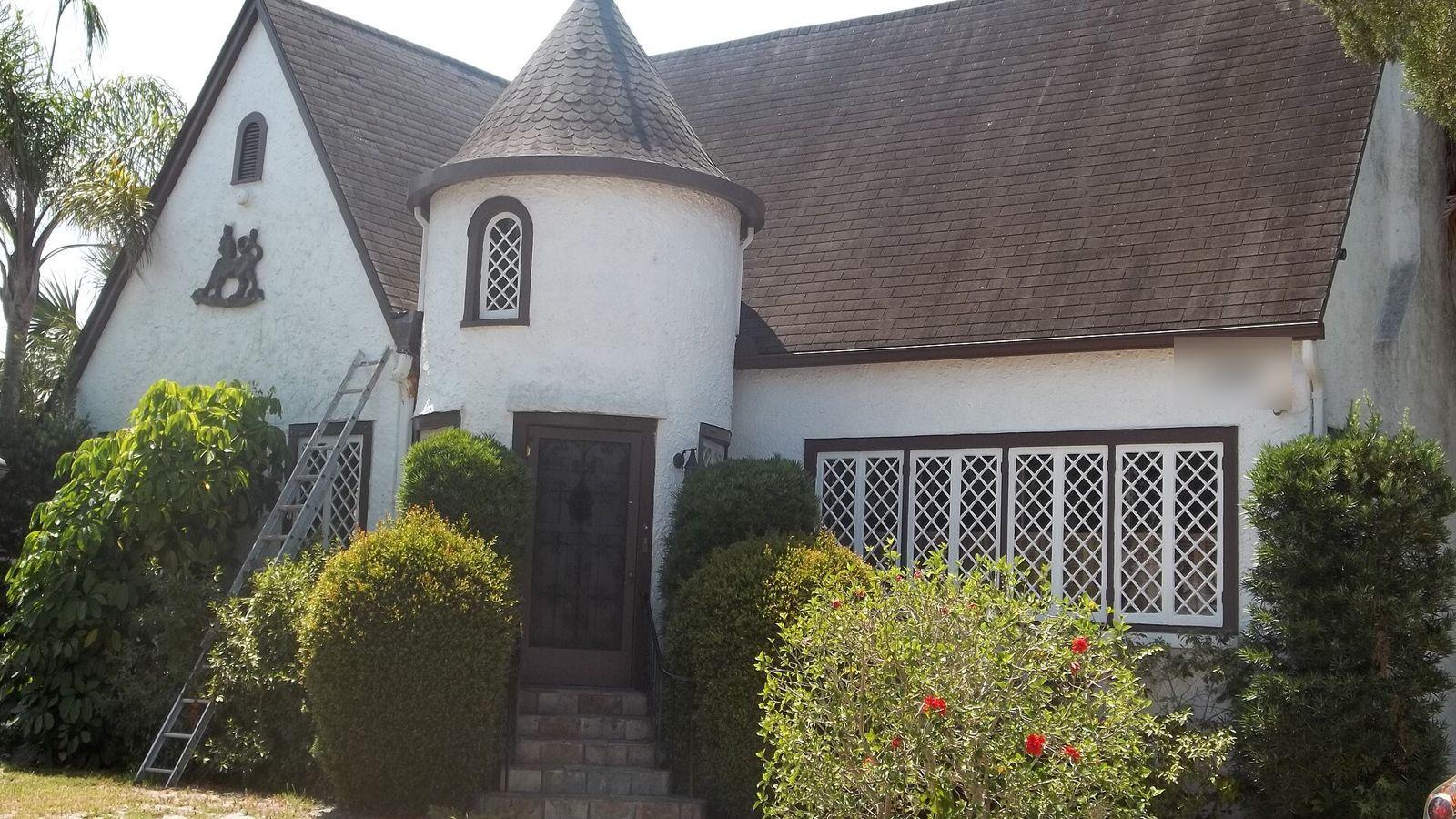
Photo: Ebyabe, Wikimedia Commons, CC BY-SA 3.0, cropped
Closing before Jan. 1? How homestead timing and the March 1 deadline work
Florida decides your homestead status on one day each year: Jan. 1. Whether you close in December or January, and when you became a Florida resident, can change your 2027 tax bill by hundreds of dollars.
- Published
- November 19, 2026
- Facts checked
- November 13, 2026
- Area
- Sarasota and Manatee
- References
- 8 at the bottom
Jan 1
own it and live there to qualify that year
Mar 1
deadline to apply with your county
Dec 31
2026 Florida residency date for the full Amendment 3 amount
~$960
2027 difference, Dec vs. Jan closing on a $425K Sarasota home (estimate)
The short version
To get a homestead exemption for a tax year, you must own the home and live in it as your permanent residence on Jan. 1, then apply with your county property appraiser by March 1. Close and move in by Dec. 31, 2026, and you can claim the exemption for 2027. Close in January, and your first exemption year is 2028. Because of Amendment 3, being a Florida resident by Dec. 31, 2026 also decides whether you get the full $150,000 non-school exemption or start at $50,000.
The Jan. 1 rule
- One day decides the year. Florida law gives the exemption to a person who, on Jan. 1, holds legal title and makes the home their permanent residence. In the Sarasota County Property Appraiser's words, you must "own and occupy the property as your permanent residence on January 1st."
- Closing on Dec. 30 counts for 2027. If you close, move in and make it your permanent home before Jan. 1, you can apply for the 2027 exemption.
- Closing on Jan. 2 doesn't. You can still apply, but your first exemption year will be 2028.
The March 1 deadline
- File by March 1 with the property appraiser in your county. Both Sarasota and Manatee take applications online.
- Filing late. Florida law allows a late application up to 25 days after TRIM notices are mailed in August. The property appraiser may grant it for extenuating circumstances; if not, you can petition the Value Adjustment Board for a $15 fee. It's discretionary, so don't plan on it.
- File early. Manatee's property appraiser urges owners to "file as soon as they occupy the residence and they have proof of Florida residency."
What you'll need
- A Florida driver license or ID card showing the new address
- At least one of: Florida vehicle registration, Florida voter registration, or a recorded Declaration of Domicile
- Social Security numbers for every owner applying, and a spouse
- Proof your previous residence ended, such as cancelling a homestead or residency elsewhere
- If the deed isn't recorded in your name yet, a copy of the deed or closing documents (Manatee)
Update your license and car registration soon after you move in. They're the fastest proof of residency.
The seller's exemption doesn't come with the house
If the seller had a homestead, it stays on the home through Dec. 31 of the year you buy. On Jan. 1 of the next year, "both the exemption and the cap will be removed and the assessed value restored to the full market value" (Manatee County Property Appraiser). Your first full tax bill can be much higher than the seller's, so budget from the purchase price, not the listing's tax history.
How Amendment 3 changes the stakes
- Florida resident by Dec. 31, 2026: non-school exemption up to $150,000 in 2027 and $250,000 in 2028, according to the Florida Department of Revenue.
- Not a Florida resident by Dec. 31, 2026: up to $50,000 non-school, plus the $25,000 school exemption, with the larger amount from your fifth year of exemption.
- Not settled yet. The governor has said he'll call a special session before leaving office in January to "set the schedule for further homestead exemption" (News Service of Florida). The Department of Revenue says updated forms and guidance will follow. We'll update this post when they do.
More background: Amendment 3 and your 2027 homestead.
Worked example: December vs. January closing
A $425,000 home in unincorporated Sarasota County, using 2025 tax rates (11.4737 mills total, 6.095 of them school) and assuming the assessed value equals the price in the first year. Estimates only.
Estimated 2027 property taxes on a $425,000 home
Closed by Dec. 31, 2026, Florida residentabout $3,917
Homestead in 2027, new Florida residentabout $4,455
Closed in January 2027, no exemption yetabout $4,876
What to do
- If you can, close and move in before Jan. 1. Ask your agent and lender whether a December closing is realistic.
- Update your Florida driver license and vehicle registration right after you move in.
- Apply online with the Sarasota or Manatee County Property Appraiser as soon as you have proof of residency, and no later than March 1.
- Selling a homestead elsewhere in Florida? Ask about portability. You must set up the new homestead within three years of Jan. 1 of the year you left the old one, and file Form DR-501T with your application by March 1.
- Budget taxes on your purchase price, not the seller's bill. The payment calculator does this for you.
References
- Florida Department of Revenue: Homestead exemption (PT-113)
- Florida Statutes s. 196.011
- Sarasota County Property Appraiser: Homestead
- Manatee County Property Appraiser: Exemptions and Save Our Homes
- Florida Department of Revenue: Portability (PT-112)
- Florida Department of Revenue: Amendment 3 bulletin PTO 26-21
- Florida Realtors: Special session planned
- Sarasota County Tax Collector: 2025 millage
Top photo: Photo: Ebyabe, Wikimedia Commons, CC BY-SA 3.0, cropped.
General information, not tax or legal advice. Facts checked November 13, 2026.